Here is a quick storage guide
How Long Do Peptides Last?
Peptides have different shelf lives depending on their form.
Lyophilized powder lasts 2-3 years when refrigerated.
Once reconstituted, peptides last 28 days with bacteriostatic water.
Proper storage is critical. Poor storage = degraded peptides = wasted money and poor results.
Temperature, light exposure, and water type all affect stability.
This guide covers everything about peptide storage - shelf life, stability factors, optimal conditions, travel tips, and how to tell if peptides have degraded Before reconstitution (powder)
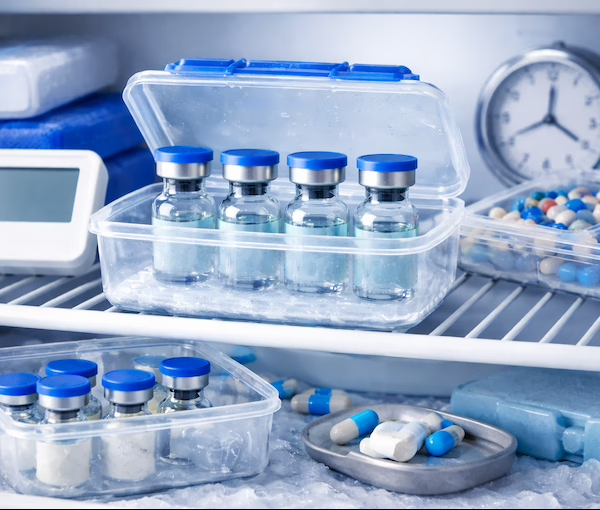
- Storage: Refrigerate at 2-8°C (36-46°F)
- Shelf life: 2-3 years when properly stored
- Freezer: Can freeze for longer storage (3-5 years)
- Room temperature: Survives short periods (days to weeks) but refrigeration preferred
After reconstitution (liquid)
- Storage: Refrigerate at 2-8°C (36-46°F)
- Shelf life: 28 days with bacteriostatic water
- Freezer: Not recommended (can damage peptide structure)
- Room temperature: Begins degrading within hours, use within days max
ed
Key rules
- Always refrigerate reconstituted peptides
- Use bacteriostatic water (not sterile water)
- Mark reconstitution date on vial
- Protect from light (store in box)
- Use within 28 days after reconstitution
- Never shake vials vigorously
Understanding peptide stability
Why peptides degrade
- Chemical breakdown: Peptide bonds can break down over time, especially in liquid form.
- Oxidation: Oxygen exposure damages peptide structures.
- Bacterial contamination: Without preservatives, bacteria grow in liquid solutions.
- Temperature fluctuation: Heat accelerates degradation significantly.
- Light exposure: UV light damages peptide molecules.
- Never shake vials vigorously
Research & Educational Disclaimer: Information provided on this page, including embedded third-party videos, is for educational and informational purposes only. It is not intended to diagnose, treat, cure, or prevent any disease and should not replace advice from a licensed healthcare professional.

.svg)

.png)



.svg)